


TL;DR
- Mortal Kombat is one of the most recognisable fighting game franchises, known for its gore.
- There are 24 differently named MK entries, with Special Forces and Mythologies: Sub Zero being among the worst.
- The best MK games have a strong positive impact on the franchise, strong gameplay, storytelling, handling of Mortal Kombat characters, and visual design.
- Some examples of the best MK games include: Mortal Kombat 9, Mortal Kombat X, MK3, MK11, and MK: Deception.
Mortal Kombat has become one of the most recognisable names in the fighting game genre, known for its overly gory fatalities, incredible visuals, and cinematic story modes. The cinematic elements are where Mortal Kombat has thrived recently under NetherRealm Studios, being the best and bloodiest in the genre.
Still, with how old Mortal Kombat is and the eras that it has gone through, there have been many peaks and troughs in quality. The series includes 24 differently named entries, including duds like Special Forces and Mythologies: Sub Zero. It also has plenty of great titles that have set the standard for the genre, and the best Mortal Kombat game is an example that the rest of the franchise should follow.
Best Mortal Kombat games: ranking criteria
When deciding on the best Mortal Kombat game, it is important to look beyond just the game itself. Each game’s influence on the rest of the series, the genre as a whole, and how it was handled post-release all need to be taken into consideration, although the quality of the game comes first.
This means that the individual titles’ gameplay, visuals (relative to the time), storytelling quality, and how it handles the use of Mortal Kombat characters are paramount. It should also be noted that our list is highly subjective, and factors like personal nostalgia are not taken into account.
With that in mind, here is our ranking for the 10 best Mortal Kombat games.
10 best Mortal Kombat games
10. Mortal Kombat: Armageddon (2006)
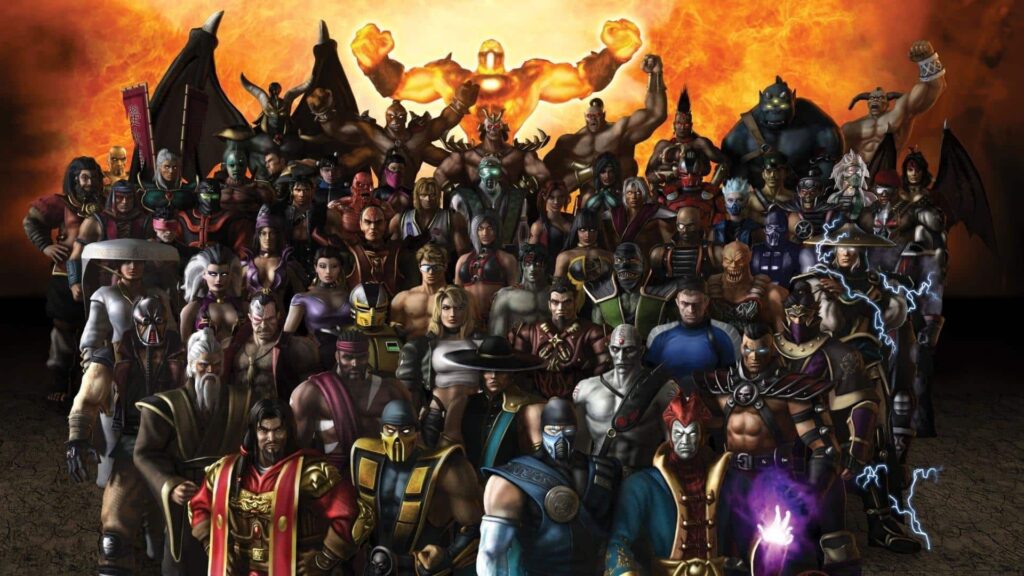
Mortal Kombat: Armageddon can’t be faulted for ambition, although that ambition hampered more than it helped. It had a ridiculously large roster and far too many game modes. With 62 characters, it was too much for the game to handle, replacing traditional Fatalities with a Fatality combo system that didn’t have the same magic.
While all the Mortal Kombat characters got an ending, the presentation of each didn’t do the characters justice, and the game reduced characters to one weapon or fighting style, which just made things stale. Having every character in the franchise was certainly ambitious, but it was too much for any fighting game.
9. Mortal Kombat (1992)
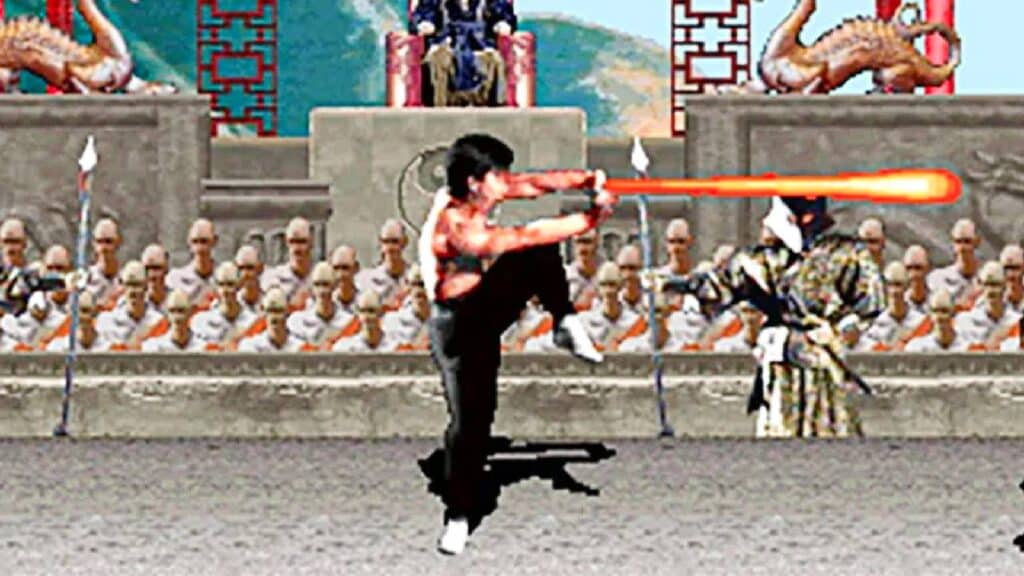
Mortal Kombat, not to be confused with Mortal Kombat 1, is the game that started it all. It wasn’t particularly deep and was intended to hitch off Street Fighter 2’s success, but the series’ distinct style still came through enough to have a strong appeal, especially in the Western market.
Mortal Kombat’s gore helped separate it from Street Fighter and is still the core of the series today. It was also where the series’ deep lore began, leading to comics, and its visual and sound design all came together to make something unique. It didn’t play nearly as well as Street Fighter 2, but there was enough here to inspire the series we know today.
8. Mortal Kombat: Deadly Alliance (2002)
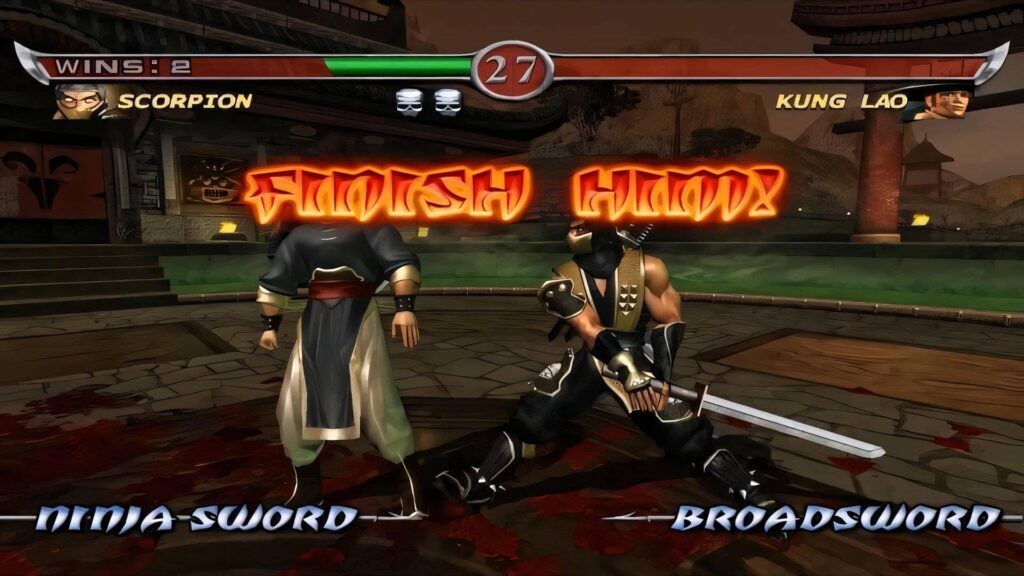
Deadly Alliance did a lot to repair the damage of a generationally awful run by Midway after it struggled to transition to 3D. This run included Mythologies, Mortal Kombat 4, and Special Forces, and it’s a miracle that Mortal Kombat survived this period. Without Deadly Alliance, it might not have. All the MK games up to Deadly Alliance are now in the Mortal Kombat: Legacy Kollection, showing their importance to the series.
Deadly Alliance introduced the fight style system, which had issues, but improved upon everyone having the same basic moveset. The new aesthetic for the PS2 was a little plastic, but everyone exploding into bloody popcorn was hilarious. While the Mortal Kombat characters only had one Fatality each, Deadly Alliance was a sorely needed return to form, even if flawed.
7. Mortal Kombat 1 (2023)
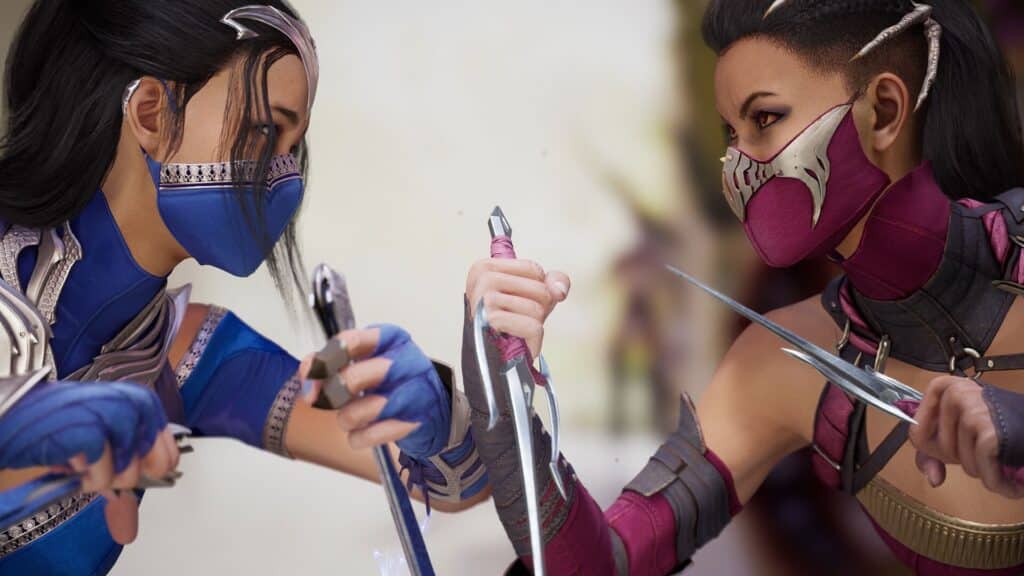
Not to be confused with the first MK game, Mortal Kombat 1 is half-reboot, half-continuation, and is visually incredible. Having said that, it isn’t a vast leap from MK 11, and while the Kameo system offers something new, it feels a little like a diet-tag fighter mechanic. The gameplay is solid, the Fatalities have never been more brutal, and the cinematic elements are movie-like in quality at times.
Still, despite the incredible guest cast list, the lack of depth and mediocre online modes didn’t help the Mortal Kombat 1 live for very long, especially since modern fighting games rely on long-lived communities. It’s a great, single-player title, but it doesn’t have the staying power expected of modern fighting games, seen in its absence from EVO France.
6. Mortal Kombat 2 (1993)
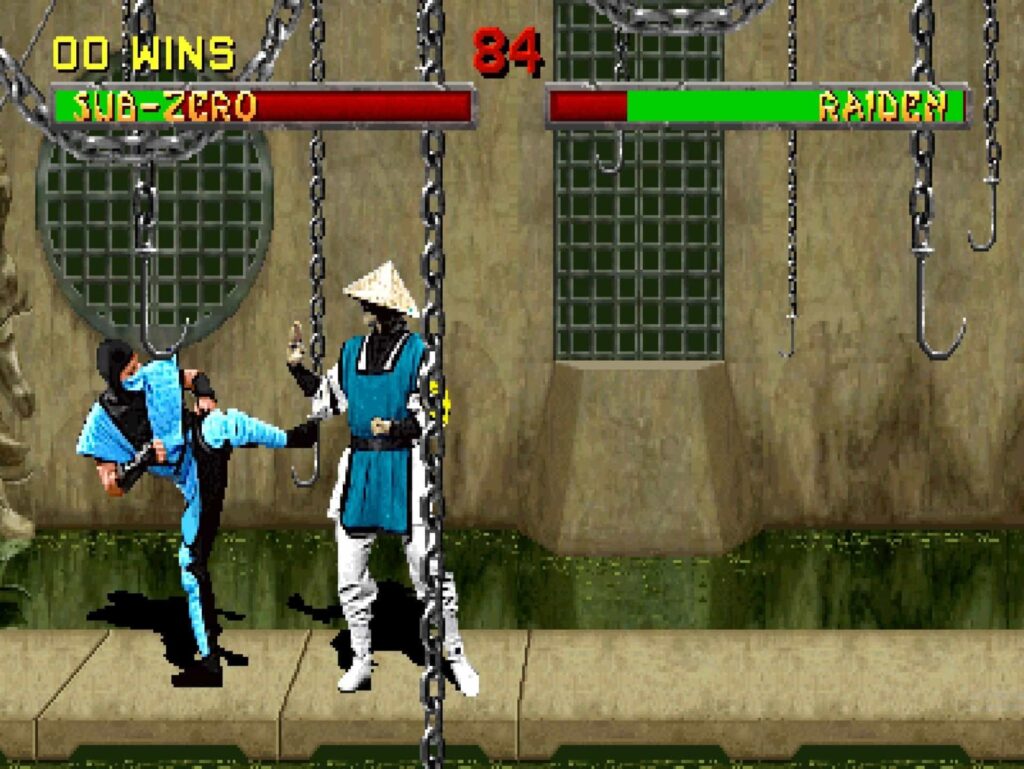
Mortal Kombat 2 took its predecessor and went bigger and better in the best way possible. The roster expanded, everyone got two Fatalities, and Babalities and Friendships were added. Gameplay was refined, the cast started getting really strange, and Shao Kahn traumatised an entire generation.
Ultimately, Mortal Kombat 2 did everything it needed to as a sequel, giving players a deeper look into the world of MK. The game is shallow by modern standards, but was important in helping to define the direction of the rest of the series, bringing in strange creatures and wacky lore to make the MK world vibrant.
5. Mortal Kombat: Deception (2004)
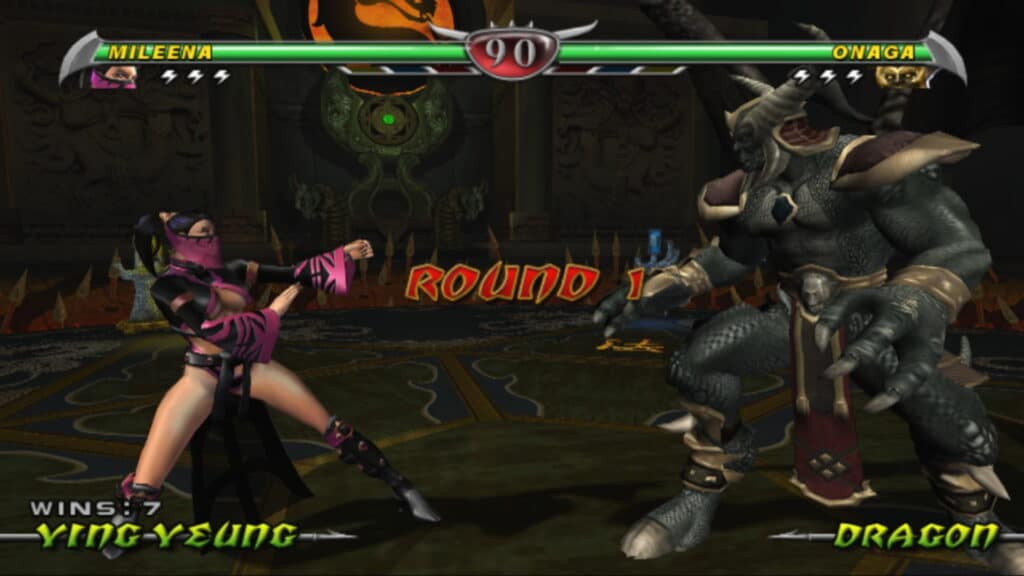
While the engine made for Dark Alliance didn’t show its best side for its debut, Deception is where the engine got to shine. The game was bigger and better in the best possible ways, greatly improving upon Dark Alliance, and it remains the pinnacle of the 3D era.
The gameplay was solid, the Hara-Kiri mechanic was introduced, many game modes were massive improvements over Dark Alliance, and console players got their first taste of competitive Mortal Kombat online. Deception is a fan-favourite for a reason.
4. Mortal Kombat 11 (2019)
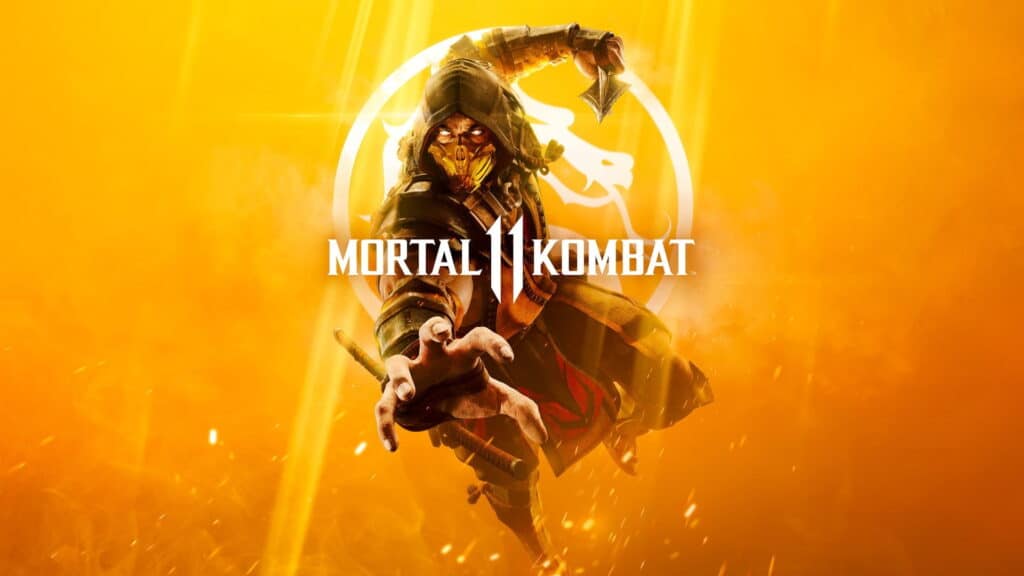
Mortal Kombat 11 was a massive visual improvement over MKX. The game’s cinematic quality was unmatched in the genre, and while gameplay animations were a little funky, games today still struggle to match it. There was plenty for competitive and single-player fans to sink their teeth into, with a respectably sized cast.
While its story made some controversial choices, the way it was told with its cinematics set an extremely high bar for the fighting game genre. The introduction of the defensive and offensive meters added a tactical edge, although MK11 esports sometimes devolved into a zoning borefest.
3. Mortal Kombat 3 (1995)
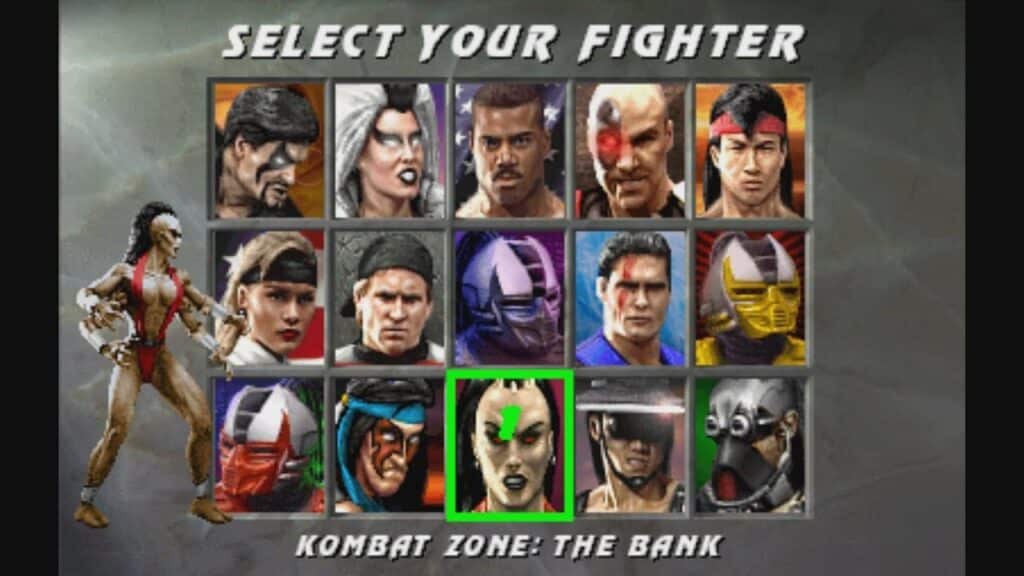
Mortal Kombat 3 continued the upward trajectory of the series and proved to be the pinnacle of the original trilogy. It evolved the series with charge mechanics, long strings, combos, Brutalities, Mercies, and Animalities. It capped off the early 2D era with a celebration, and even its biggest flaw was later fixed.
MK3 had a bit of a roster problem by missing out on a few key faces. Ultimate Mortal Kombat 3 made up for this by expanding the cast and proves to be the definitive version of MK3 today. While dated now, MK3 remains one of Midway’s greatest triumphs.
2. Mortal Kombat X (2015)
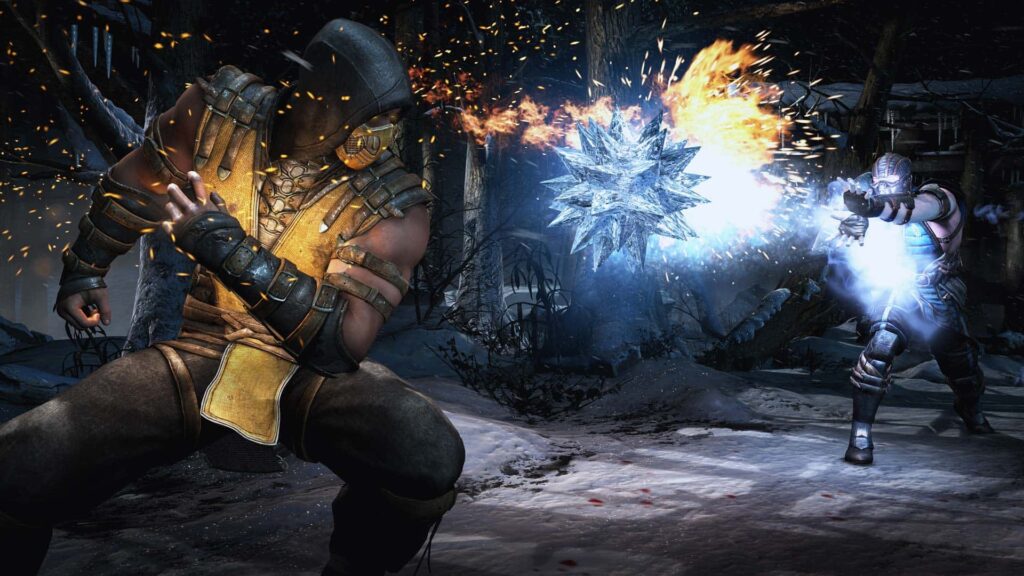
Mortal Kombat X took a risk with introducing a new generation, something notoriously difficult to do with fighting games. SoulCalibur 5 and Street Fighter 3 introduced so many issues for both those series, but MKX avoided those pitfalls with a great cast and a strong story.
MKX also improved massively on the series’ visuals, especially with the Fatalities. While it looked a little devoid of colour, its gameplay was strong, and its online scene was healthy. It even began modern Mortal Kombat’s trend of having incredible guest characters.
1. Mortal Kombat 9 (aka Mortal Kombat 2011)
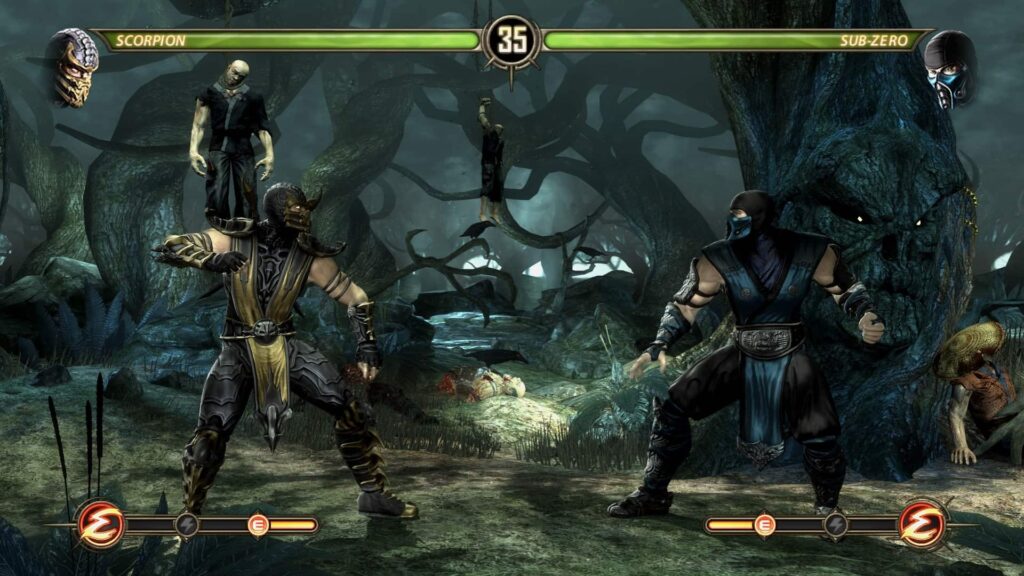
Mortal Kombat 9 was NeverRealm Studios’ first title and rebooted the series with new life. Like Mortal Kombat 1, MK9 capitalised on Street Fighter’s success (specifically SF4) and made sure that the NeverRealm era of MK started with a bang.
Its cinematic story provided a new template for the series to follow and was desperately needed to make Mortal Kombat a premier name again. Its gameplay, presentation, and version of the Mortal Kombat characters provided the template for modern MK and is the most important title for its current iteration.
Conclusion
Mortal Kombat has become a massive fighting game IP for a reason, and its current era makes it the perfect franchise for the mainstream audience. Mortal Kombat 9 was the most important game for the current state, although non-NeverRealm titles like Deception and MK3 also have a claim to be among the franchise’s best titles.
All have contributed to the current state of the franchise, good or bad, and Mortal Kombat wouldn’t be the same without any of them, even the duds. Still, duds like Special Forces should probably be avoided, while the best the series has to offer are always worth a visit.
FAQs
How many Mortal Kombat games are there?
There are 24 differently named Mortal Kombat games.
Who is the strongest character in Mortal Kombat?
While there is no definitive answer, the strongest character in MK is likely Fire God Liu Kang (at least in Mortal Kombat 1).
What is the best Mortal Kombat game?
The best Mortal Kombat game is subjective, with top entries including Mortal Kombat 9, Mortal Kombat X, and Mortal Kombat 3.

